Travelling should be an enriching and uplifting experience, yet it’s no fun if you end up unwell. By taking a few simple steps before and during your trip, you can significantly reduce the risk of illness while discovering new places and cultures.
1. Travel Vaccinations and Preparations
Why they matter:
- Many countries recommend or require vaccinations for specific diseases, such as yellow fever, hepatitis, or typhoid.
- Vaccines help your immune system tackle viruses and bacteria you may not typically encounter at home.
Tips (Bullets):
- Research Early: Check government travel websites or consult your GP at least six weeks before departure.
- Keep Records: Carry your vaccination certificate and store digital copies, in case immigration or local health officials request proof.
- Boosters & Updates: Even common vaccines (e.g., tetanus) may need refreshing to remain effective.
Cultural Consideration:
- Some destinations have unique health regulations—understanding local rules can ensure a smoother arrival.
2. Hygiene Practices While Travelling
Essentials:
- Regular hand washing, using soap and water wherever possible.
- Carrying sanitiser gel for places lacking clean facilities.
Tips (Bullets):
- Use Tissues/Paper Towels: Avoid touching surfaces in public bathrooms with bare hands.
- Disinfecting Wipes: Wipe down plane or train tray tables, and your phone, regularly.
- Avoid Contaminated Surfaces: Wear flip-flops or sliders in communal showers or pool areas to reduce fungal infections.
Cultural Consideration:
- Certain countries have customs around footwear indoors—complying can help keep communal areas cleaner and reduce germ spread.
3. Managing Jet Lag and Sleep Disruptions
Why it Happens:
- Jet lag occurs when your body clock struggles to align with a new time zone, often causing fatigue or insomnia.
Tips (Bullets):
- Gradual Adjustment: Shift your sleep schedule a day or two before travel to match your destination’s time zone.
- Sunlight: Spend time outdoors in daylight at your destination to help reset your internal clock.
- Hydrate & Moderate Caffeine: Excessive coffee or energy drinks can further disrupt sleep patterns.
- Short Naps: If you must nap, keep it to 20-30 minutes to stay alert without ruining night-time rest.
Mental Health Tip:
- Feeling overwhelmed by poor sleep? Try simple relaxation techniques like deep breathing or a short mindfulness session to ease anxiety.
4. Healthy Eating Habits on the Road
Why it Matters:
- New cuisines can be exciting, but sudden dietary changes or questionable food handling can upset your stomach.
Tips (Bullets):
- Eat Local Wisely: Stick to busy stalls or restaurants with high turnover—freshly cooked dishes are less likely to cause issues.
- Wash & Peel: Choose fruits you can peel; avoid salads in places where water quality is uncertain.
- Balance & Moderation: Enjoy local treats but remember to include vegetables, proteins, and fruit for all-round nutrition.
- Snack Smart: Pack nuts, granola bars, or dried fruit for travel days.
Cultural Consideration:
- Certain countries have strong traditions around communal eating. Use clean utensils and be mindful of local eating customs to remain respectful and hygienic.
5. Dealing with Common Travel Illnesses
Examples:
- Traveller’s Diarrhoea: Often caused by unfamiliar bacteria in local water or food.
- Common Colds/Flu: Frequent changes in temperature, flights, or crowded events can increase exposure.
Tips (Bullets):
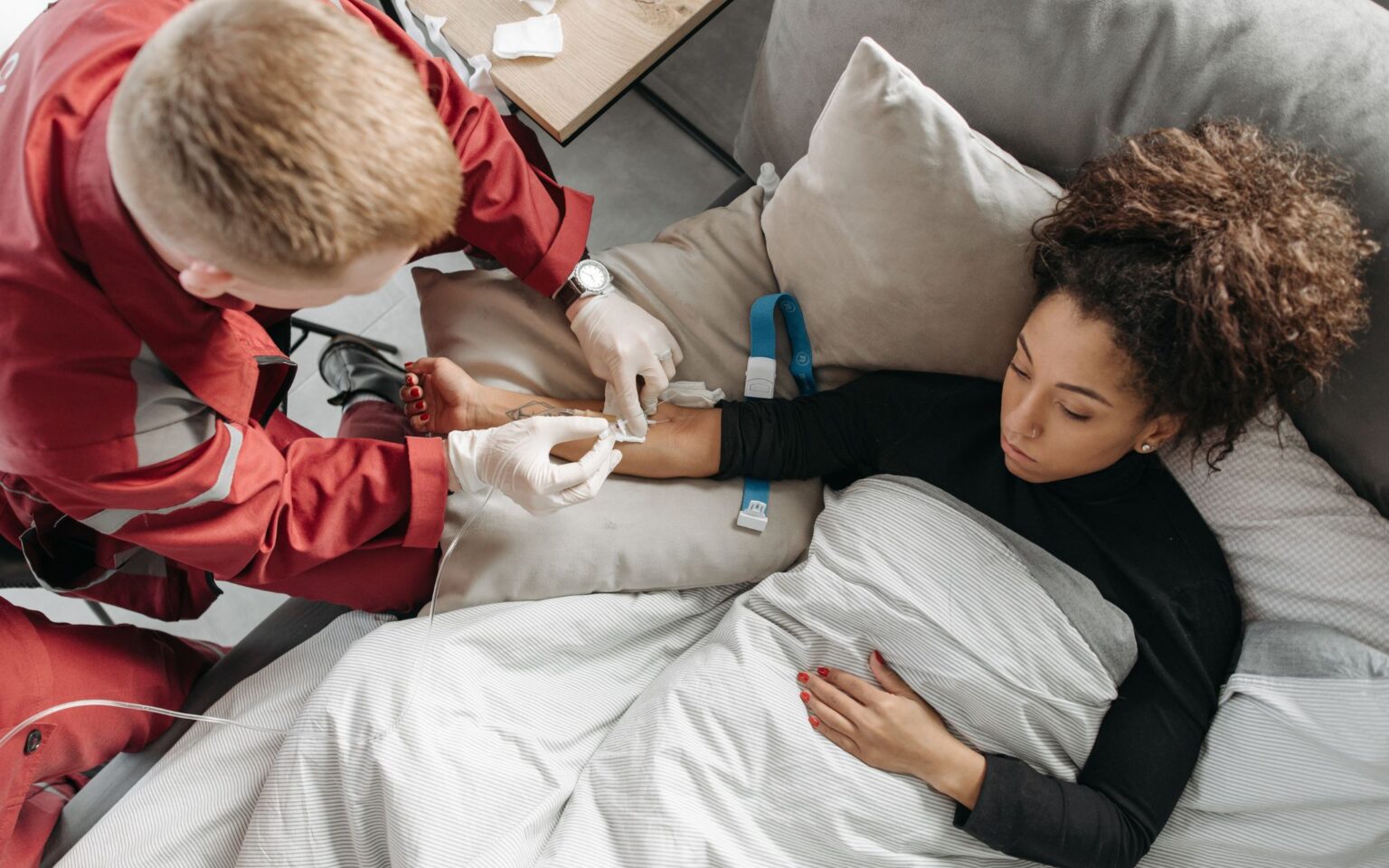
- Rehydration: If you have an upset stomach, use oral rehydration salts to replace lost electrolytes.
- Over-the-Counter Meds: Pack anti-diarrhoeal tablets or cold remedies.
- Rest: Sleep is essential for quick recovery.
Emergency Medical Resources:
- Know the nearest hospital or clinic. Keep travel insurance hotline details on your phone.
- Some countries offer special “travel clinics” or English-speaking medical centres—research beforehand.
6. Staying Hydrated During Travel
Importance:
- Dehydration can lead to headaches, fatigue, and confusion—especially in hot climates or after flights.
Tips (Bullets):
- Carry a Reusable Bottle: Fill up with safe drinking water whenever available.
- Check Water Quality: In areas with questionable water supply, use bottled or filtered water.
- Electrolytes: If you’re active at the beach or hiking, replenishing salts helps maintain energy levels.
7. Tips for Staying Active While Abroad
Benefits:
- Regular exercise boosts mood, reduces stress, and keeps your body well-adjusted to a new environment.
Ideas (Bullets):
- Walk Everywhere: Great way to explore local neighbourhoods and landmarks.
- Hotel Gym or Pool: If available, set aside 20 minutes a day for a light workout.
- Outdoor Activities: Join beach volleyball, biking tours, or local dance classes—cultural plus exercise combined.
Packing a Basic Travel Health Kit:
- Must-Haves: Pain relievers, motion sickness tablets, antiseptic cream, band-aids, hand sanitiser, personal prescription meds.
- Bonus Items: Travel insurance details, emergency contacts, water purification tablets, small first-aid set.
Additional Cultural Considerations for Health
- Local Health Practices: Some destinations have unique holistic remedies—be open but verify credibility.
- Etiquette: In certain cultures, politely declining certain foods can be delicate—respect your hosts while minding personal dietary needs.
Seeking Medical Help Abroad
Key Points:
- Research: Identify recommended hospitals or clinics near your accommodations.
- Insurance & Documentation: Keep a copy of your insurance policy and any relevant medical notes in your bag or phone.
- Language Assistance: Apps or translator services can help you explain symptoms.
Mental Health Tips for Managing Travel Stress
- Balance: Mix busy sightseeing days with rest or spa days.
- Boundaries: Listen to your body—take breaks, hydrate, and avoid cramming every moment with activities.
- Stay Connected: If you get anxious, reassure friends or family at home via quick messages.
Conclusion
Staying healthy while travelling isn’t about complicated routines—it’s about small, consistent steps in hygiene, prevention, and self-awareness. By vaccinating, following local etiquette, eating wisely, and packing an essential health kit, you can focus on enjoying new sights, sounds, and cultures with peace of mind. Safe travels and happy exploring with AfroXela!